The understanding that when a thing reproduces the resultant offspring is similar to itself is millennia old. In Judeo-Christian tradition, in Genesis chapter one (literally “in the beginning”), God creates living things, plants and animals, and commands them each to reproduce “after their kind.” Initial understanding in the broadest context observes that humans beget humans, sheep beget sheep, foxes beget foxes, peas beget peas, etc. But slightly more attentive observation notes that individual traits are also usually passed on: tall parents beget tall children, good wool-producing sheep beget good wool-producing sheep, silver foxes beget silver foxes, and any good student of biology will remember their first lessons in genetics about the monk Gregor Mendel and his experiments with pea propagation.
The principle of “like begets like” was a building block of Darwin’s Theory of Evolution. His important contribution was the caveat “with variation.” He explored how some variations bestowed competitive genetic advantages to some offspring while other variations gave handicapping disadvantages to other offspring. Over time these adaptive forces, termed “natural selection,” guide how a species changes, or evolves, to fit its environment.
Thousands of years ago, humans selectively bred more placid individuals of wild wolves, sheep, cattle, horses, and pigs and hence developed domestic species. Many hundreds of years ago, still well before Darwin, astute farmers practicing selective breeding created different breeds of domesticated animals and crop varieties. They were able to take one domesticated species and create breeds or varieties within that species that capitalized on certain advantages, like beef or dairy cattle, or chickens that were either layers or broilers, and wheat with larger seed heads. Because these breeding decisions were based largely on profit, traits like fertility and overall health were also important to the farmers. It did not make sense to breed a pig or cow or sheep that was prone to a certain disease or ailment. Much better to breed the healthiest individuals in hopes of producing healthy offspring.
The principle of breeding healthy individuals in order to increase the likelihood of producing healthy offspring is foundational to the mission of Kokopelli Veterinary Center. Our clientele is passionate about their breeds and motivated to contribute to the betterment of their breeds by propagating the healthiest possible dogs or cats. They have no interest in mass production of puppies or kittens with no care as to what happens after they are adopted, which is the stereotypic criticism of “puppy mills” or “backyard breeders.” Our clients are neither of these. Our breeders follow puppies and kittens adopted out from their kennels or catteries all through the lives of those pets and celebrate in their happiness and successes.
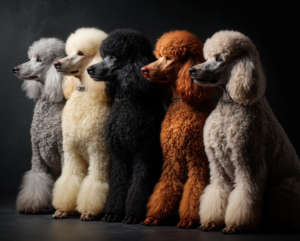
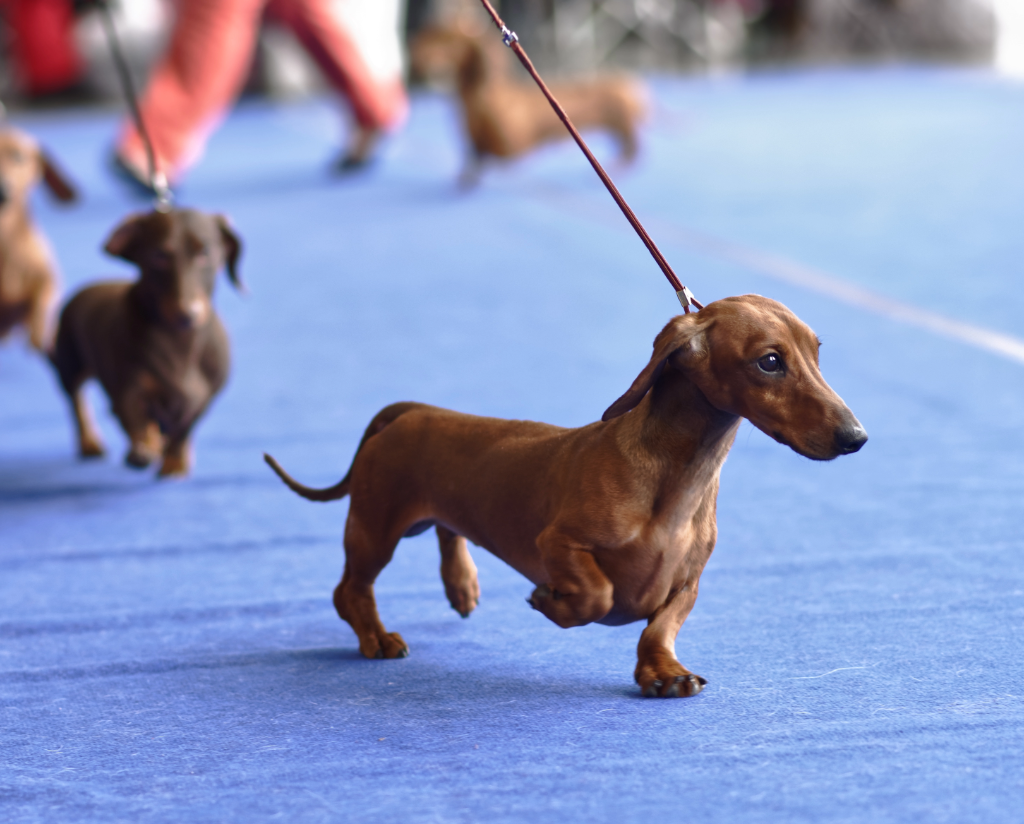
It’s not just personal passion that drives responsible breeders to only breed healthy animals. Our clients are part of an active social group of other dog or cat aficionados. That group exerts positive, competitive peer pressure to excel and produce the best and healthiest dogs and cats possible. If one of our breeders were to knowingly produce puppies or kittens with preventable conditions, like hip dysplasia, progressive retinal atrophy (PRA), or dilated cardiomyopathy (DCM), they would soon be ostracized from their respective peer groups.
We are proud of the efforts our clients put into their breeding programs with the ultimate goal of producing the healthiest possible puppies and kittens. We know that puppies and kittens born from indiscriminate breeders (those focused on profit) are every bit as cute as puppies and kittens from our responsible clients. But we appreciate that families who fall in love with and adopt puppies and kittens from responsible breeders are less likely to be burdened with medical expenses treating allergies and joint disorders and other heritable conditions. More importantly, the actual pets will be more likely to live long, healthy lives and not struggle with being miserable with allergies or painful in their movement because of dysplastic joints. They will be less likely to go blind or deaf or struggle with heart failure. While there are no guarantees that none of these things will happen to any particular pet, at least our clients have given them the best possible odds.
We are glad to be able to support our responsible clients by offering health clearance opportunities at Kokopelli Veterinary Center:
- Board-certified eye and heart specialists offer CAER and cardiac OFA clinics a few times a year.
- We are certified to perform PennHIP, SV, and traditional OFA hip evaluations.
- We can perform elbow, spine, and thyroid OFA testing at your convenience.
- We are one of the few places where BOAS RFGS testing can be performed for bulldogs, French bulldogs, and pugs.
- We are the only veterinary clinic in the area to offer BAER testing.
- We offer counseling to help interpret and utilize DNA health testing in your breeding programs.
We are entirely devoted to helping our clients in their quest to producing healthy puppies and kittens so that those animals can enjoy the longest, healthiest possible lives with their forever families. It’s a worthy purpose and we love playing a role.